
Compare Models

Centralized ride platform or operator-owned mobility network?

The difference is not only software. It is who owns the customer relationship, controls operations and builds a lasting transport brand.

Operator identityOperational controlBusiness records
Operating control

See how the operating models differ.

FleetOS gives the local office a connected digital system while preserving its customer identity and operational authority.

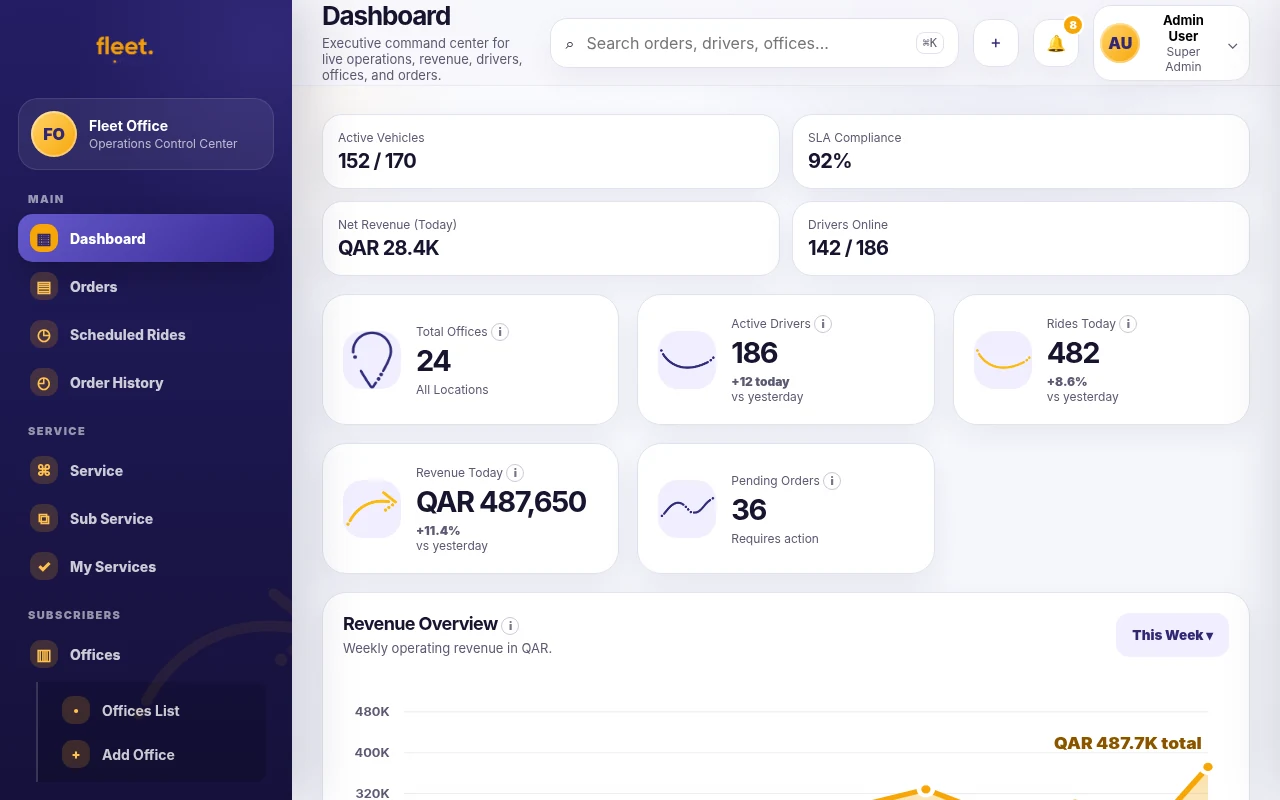
Operator-owned command center
Operator-owned command centerThe transport office manages demand, assignments and performance.
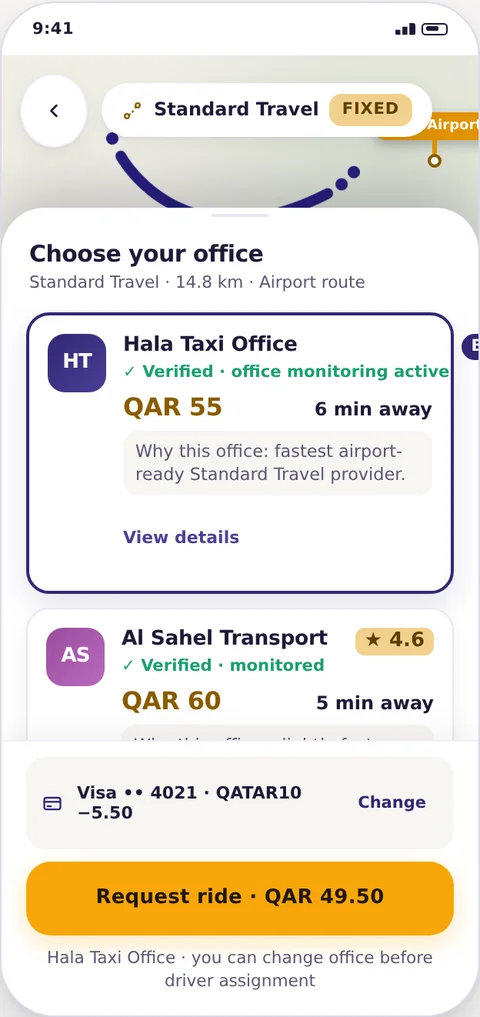
Visible operator choice
Visible operator choiceThe rider can see and choose the business providing the service.
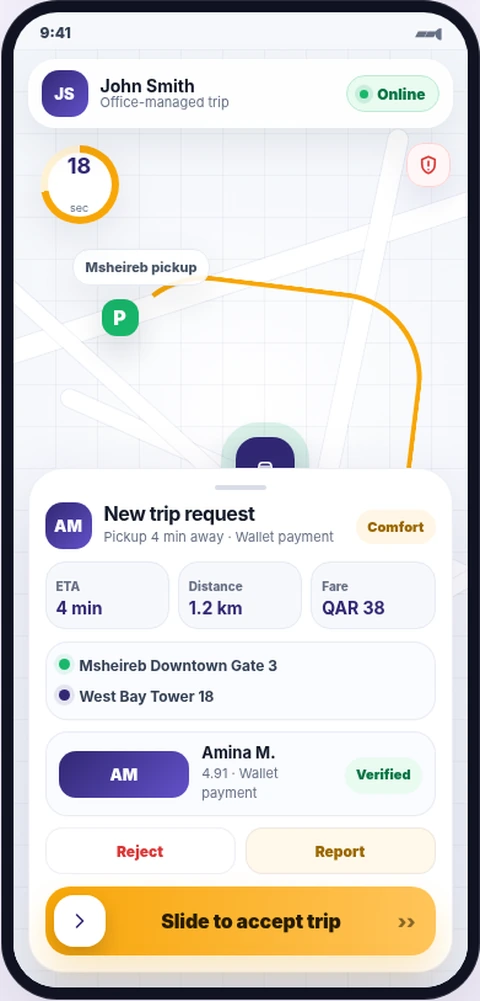
Office-connected driver work
Office-connected driver workDriver assignments remain connected to the operator workflow.
Commercial accountability

Records support the operator rather than hiding it.

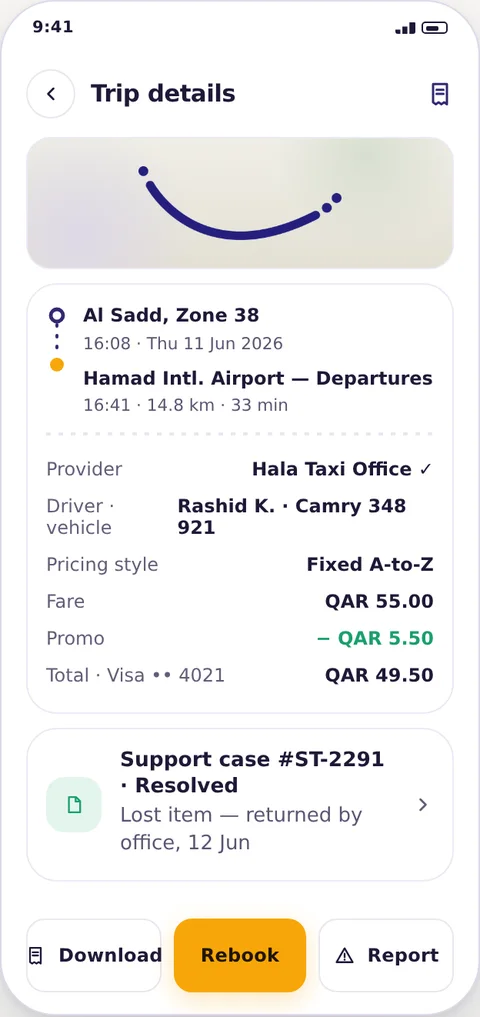
Trips, receipts and payments remain connected to the business that fulfilled the service.

Customer trip record
Customer trip recordThe completed service remains visible to the rider.
Office payment records
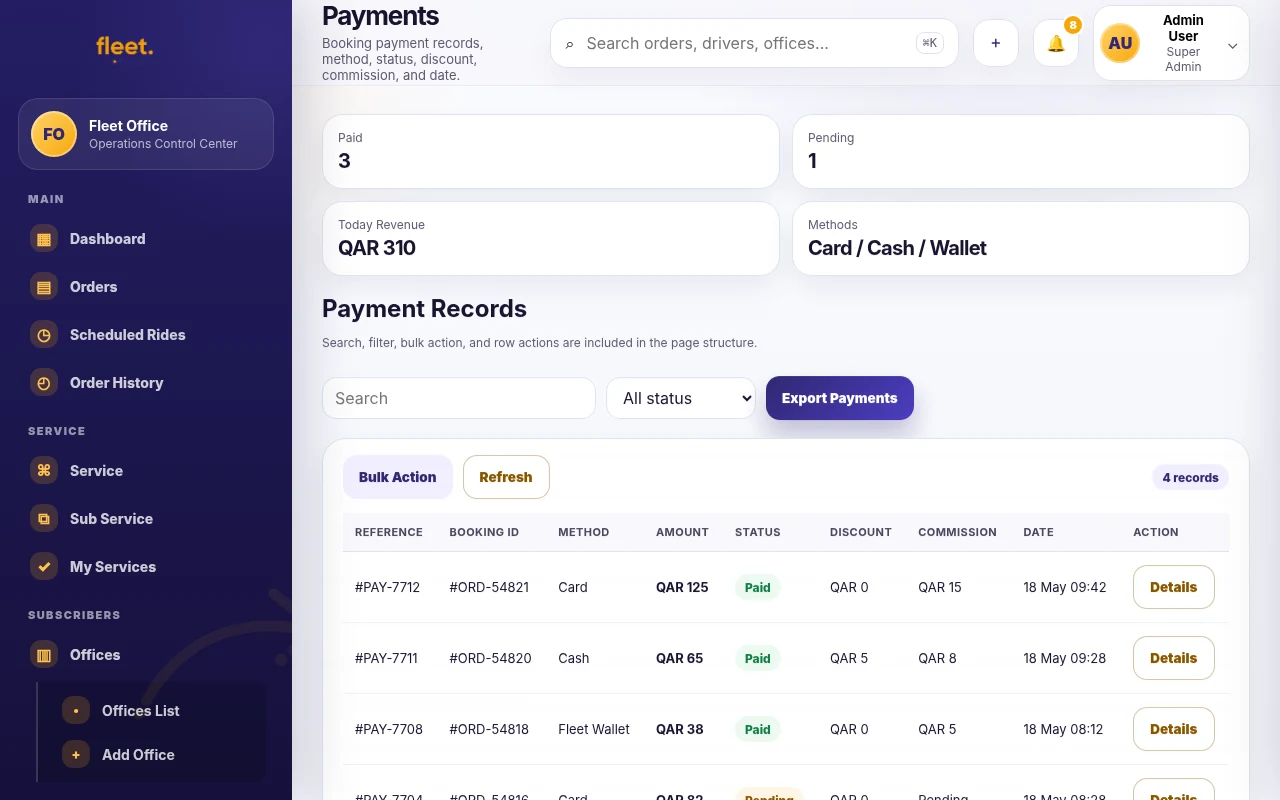
Office payment recordsThe operator can review payment status and transaction records.
Centralized platformPlatform owns relationship
FleetOS networkOffice keeps identity
Operator resultBrand and control grow
Ownership flow

See where the relationship, data and decisions move in each model.

Centralized platform

  1. 1
    Customer enters through the platform brandThe operator appears mainly as back-end supply.
  2. 2
    Platform defines demand and pricing rulesDecision-making and data remain centralized.
  3. 3
    Driver is connected to the platformThe office has limited direct customer continuity.
  4. 4
    Records and fees stay under platform controlBuilding an independent local business asset is difficult.

FleetOS operator-owned network

  1. 1
    Customer sees and chooses the transport officeThe local operator remains visible from discovery onward.
  2. 2
    Office manages service, pricing and permissionsDecisions remain close to daily operations.
  3. 3
    Driver works through the office workflowDispatch, support and accountability remain connected.
  4. 4
    Operational and financial records are transparentThe office builds a durable customer, data and brand asset.

A direct comparison of platform control and operator ownership

Centralized marketplace

Customer relationshipOwned by platform
BrandHidden behind platform
Pricing and dataCentral control
DriversConnected to platform
Fee flowDeducted before operator visibility

FleetOS operator-owned

Customer relationshipOffice stays visible
BrandBuilt and owned by operator
Pricing and dataOffice control and permissions
DriversConnected to office
Fee flowTransparent records and agreed terms

Choose an operator-first mobility model.